
Explore the blog
Browse our latest insights on “Audio” — practical guidance, trends, and real-world lessons.
Showing 12 posts on this page (63 total) tagged “Audio”

Visual AI Models: How Speech Data Enhances Audio-visual Learning
By Way With Words Team
In this article, we explore how speech data can augment visual AI models, why doing so makes sense, how it is done, what challenges arise, and how to evaluate and deploy such systems in real-world settings.
Read article
Stressed Speech Datasets: Capturing Emotion-rich Voice Data
By Way With Words Team
Creating stressed speech datasets, even those that are anonymised, that capture these emotional nuances isn’t as simple as collecting recordings.
Read article
Continuous Speech Data: How Always-on Audio Transforms Smart Devices
By Way With Words Team
What exactly is continuous speech data, how is it used, and why does it raise such complex questions about performance and privacy?
Read article
Importance of Labelling Non-Verbal Events in Speech Data
By Way With Words Team
Non-verbal audio events carry layers of meaning and labelling them properly is therefore a foundational task in modern speech data annotation.
Read article
Audio Recording in the Field: Follow Proven Best Practices
By Way With Words Team
This article explores the key areas of field audio recording, from pre-recording planning and equipment selection to managing conditions, ensuring data safety, and respecting ethics.
Read article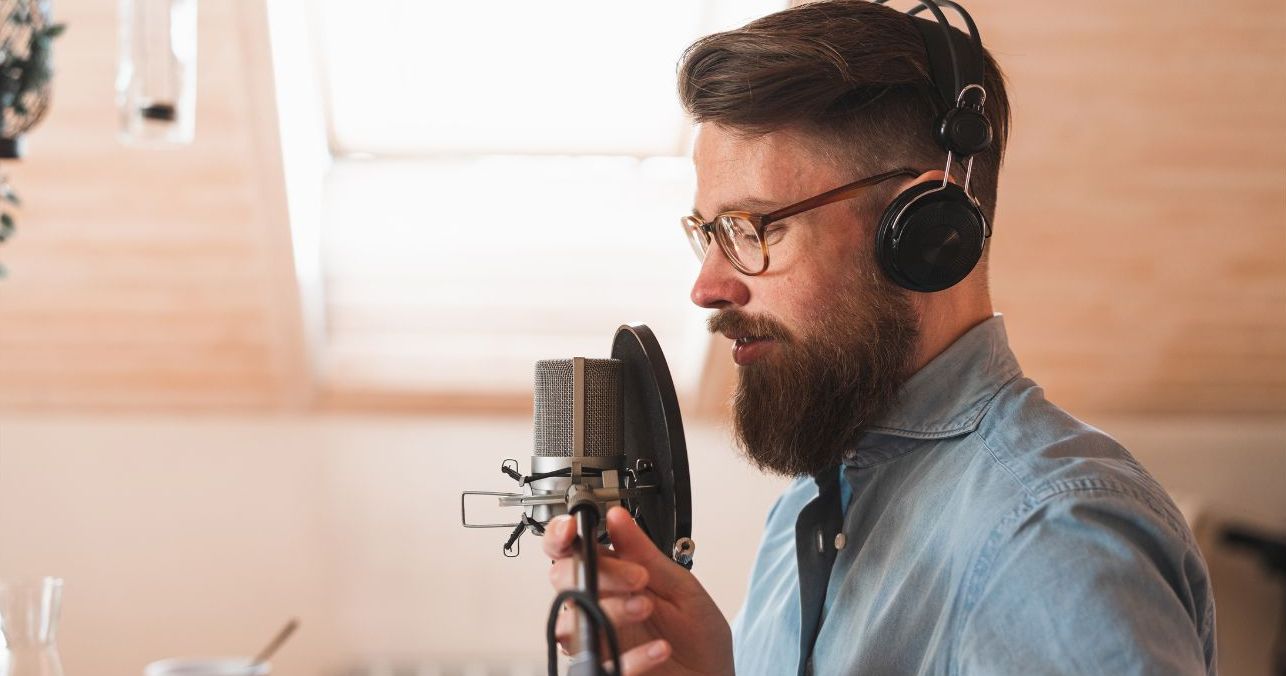
Can Open-Source Tools Reliably Collect Quality Audio?
By Way With Words Team
This article explores the strengths and weaknesses of open-source tools, and evaluates their performance across different requirements.
Read article
How Do You Anonymise Voice Data Samples?
By Way With Words Team
To properly anonymise voice data, various categories must be considered including speaker identity, spoken content, contextual audio clues, and vocal biometrics.
Read article
How Does Audio Session Length Training Impact Speech Datasets?
By Way With Words Team
This article explores the dimensions of audio session length training, why it matters, and how to balance short and long recordings.
Read article
How Do You Plan a Multilingual Speech Project Like a Pro?
By Way With Words Team
A multilingual speech project requires a structured approach that moves beyond simply recording voices in different languages.
Read article
Speaker Diarisation: Challenges and Solutions in Datasets
By Way With Words Team
Speaker diarisation, sometimes called audio diarisation or multi-speaker voice tagging, is the process of partitioning an audio stream by identity of the speaker.
Read article
What Recording Environment Produces Optimal Speech Quality?
By Way With Words Team
This article explores what an optimal recording environment looks like, why it matters so much, and how to set it up in practice.
Read article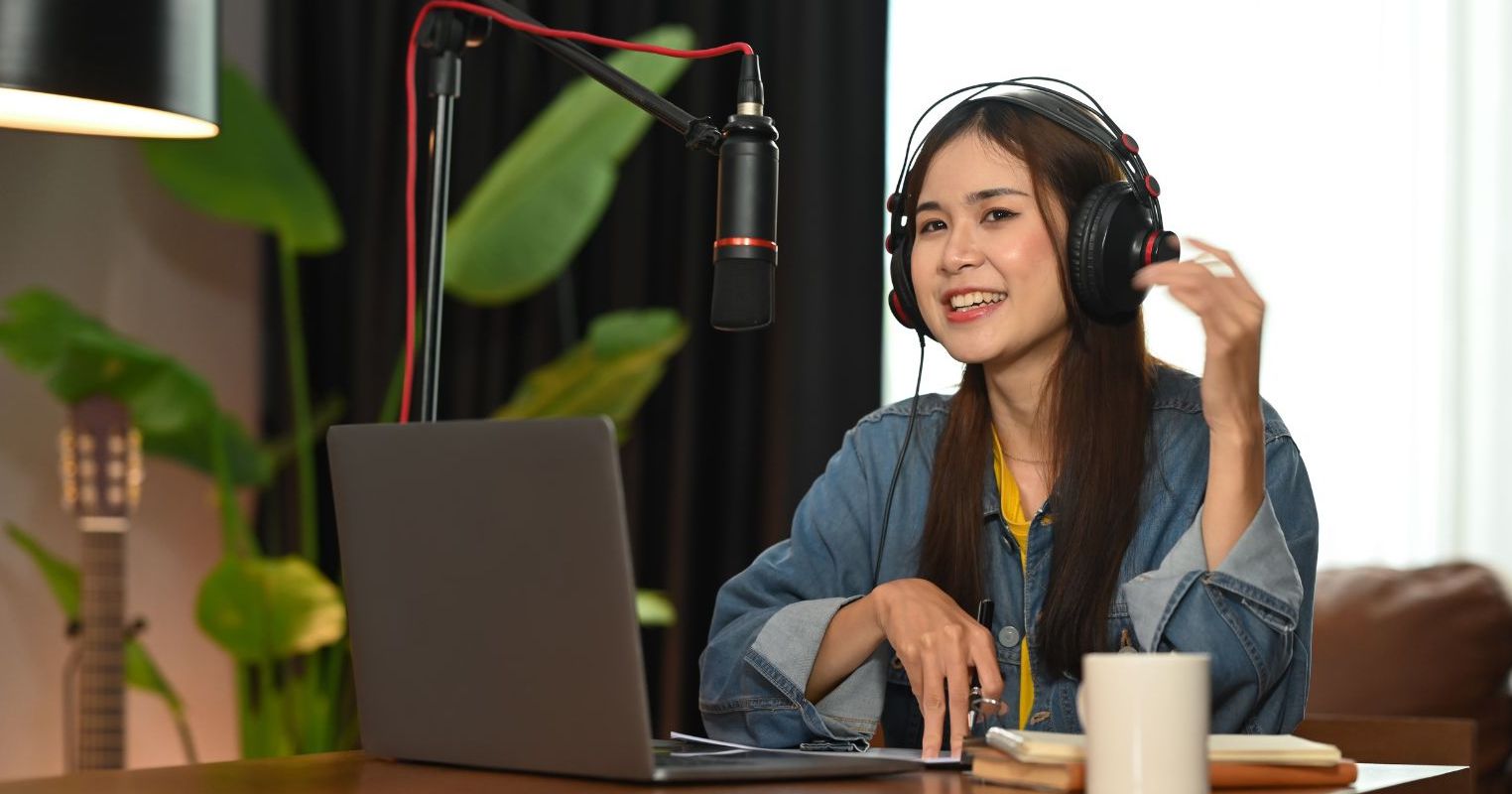
Best Practices for Tagging Multilingual Code-mixing in Audio
By Way With Words Team
Tagging multilingual code-mixing in audio files is one of the most complex but rewarding tasks in speech annotation.
Read article